
Plyometric box training is one of the fastest ways to build explosive power, burn fat, and elevate any HIIT workout. Whether you’re doing box jumps, step-ups, or agility drills, the right plyo box can improve performance while reducing injury risk.
With dozens of options out there, choosing the best one can be overwhelming — especially when materials, height options, and stability all matter. In this guide, I break down four of the best plyo boxes and recommend exactly which type of user each one is built for.
Comparison
Scroll <- left or -> to view more data
| Product Name | Material / Type | Height Options | Weight Capacity | Surface / Safety | Ideal Use Cases | Pros | Cons |
|---|---|---|---|---|---|---|---|
| BalanceFrom 3-in-1 Foam Plyo Box |
High-density foam | 3 heights (16″/20″/24″ or similar) |
~350–? lbs | Textured non-slip outer surface | HIIT, jumps, step-ups, agility | Lightweight & portable; softer on shins; good for home gyms. |
Foam is less firm than wood; may shift under very explosive landing. |
| CAP Barbell 3-in-1 Foam Plyometric Jump Box |
High-density foam | 3 heights (typical) | ~350–? lbs (industry standard) | Non-slip foam top | Box jumps, HIIT, plyometrics | Similar versatility as other foam boxes; budget-friendly |
Foam stability may not satisfy larger/heavier athletes |
| Yes4All 3-in-1 Foam/Wood Core Plyo Box |
Foam w/ wooden core | 3 heights (typically 12″/14″/16″) |
~440–450 lbs (varies by version) | PVC / foam surfaces with wood core base | Plyometrics, HIIT, step-ups | Higher weight capacity than pure foam; padded for shin safety. |
Ranking mixed in reviews; some say foam feels softer; purchase varies by seller. |
| CAELUM 3-in-1 Wood Plyo Box |
Solid wood (plywood) | 3 heights (e.g., 12″ / 16″ / 20″) |
~350–450 lbs typical | Wood with anti-slip (paint/textured) | Plyo jumps, strength drills | Sturdy, firm, excellent stability; good for heavier users |
Heavier and less forgiving on landings; assembly required |
Disclosure:As an Amazon Associate, I earn from qualifying purchases
Recommendation
1) Best for Beginners & Low-Impact Workouts
BalanceFrom 3‑in‑1 Foam Plyometric Jump Box
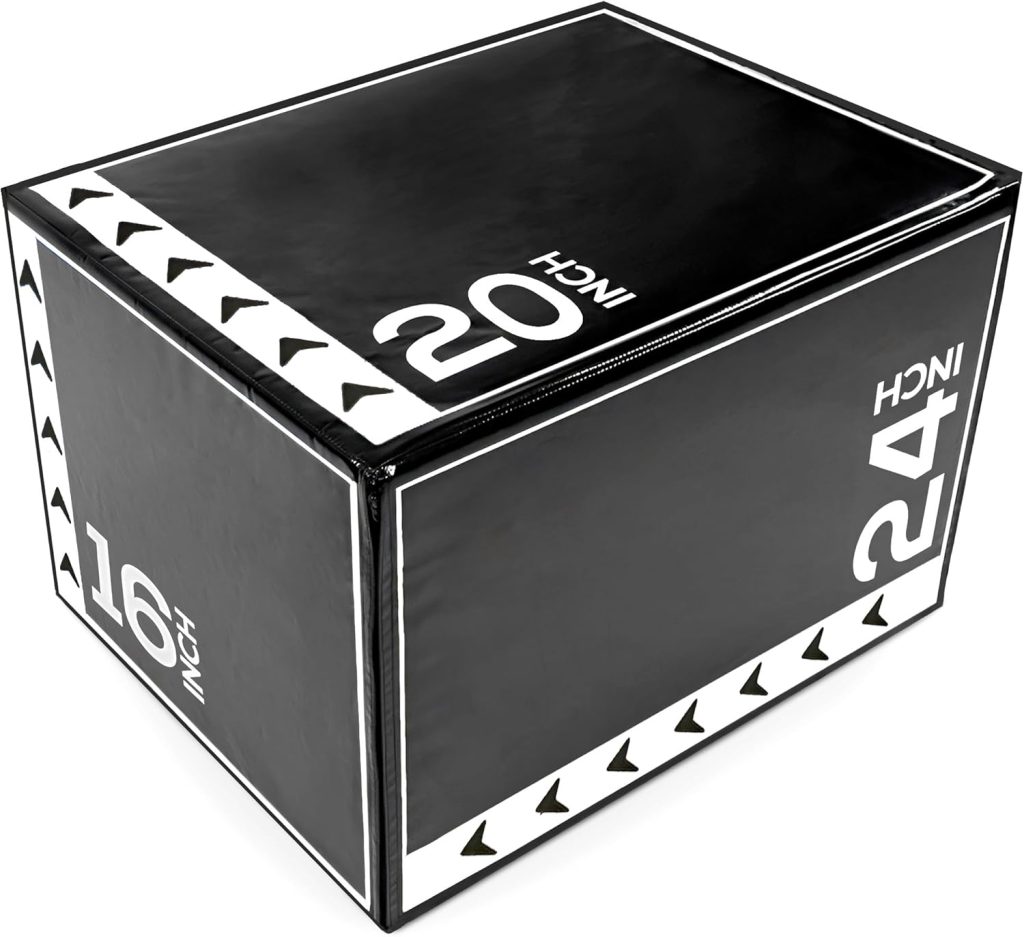
Recommend for:
- Newcomers to plyometrics or HIIT
- Fitness enthusiasts who prioritize comfort and safety
- Users with space constraints or who want light equipment
Why:
- Foam construction is forgiving on joints and safer if you miss a jump (soft landing surface).
- Adjustable heights support progression while still being easy to use.
- Lightweight and portable for home workouts.
Good fit if: You’re focused on basic box jumps, step-ups, and low-impact plyo movements rather than advanced explosive training.

2) Best All-Around Beginner to Intermediate Option
CAP Barbell 3‑in‑1 Foam Plyometric Box
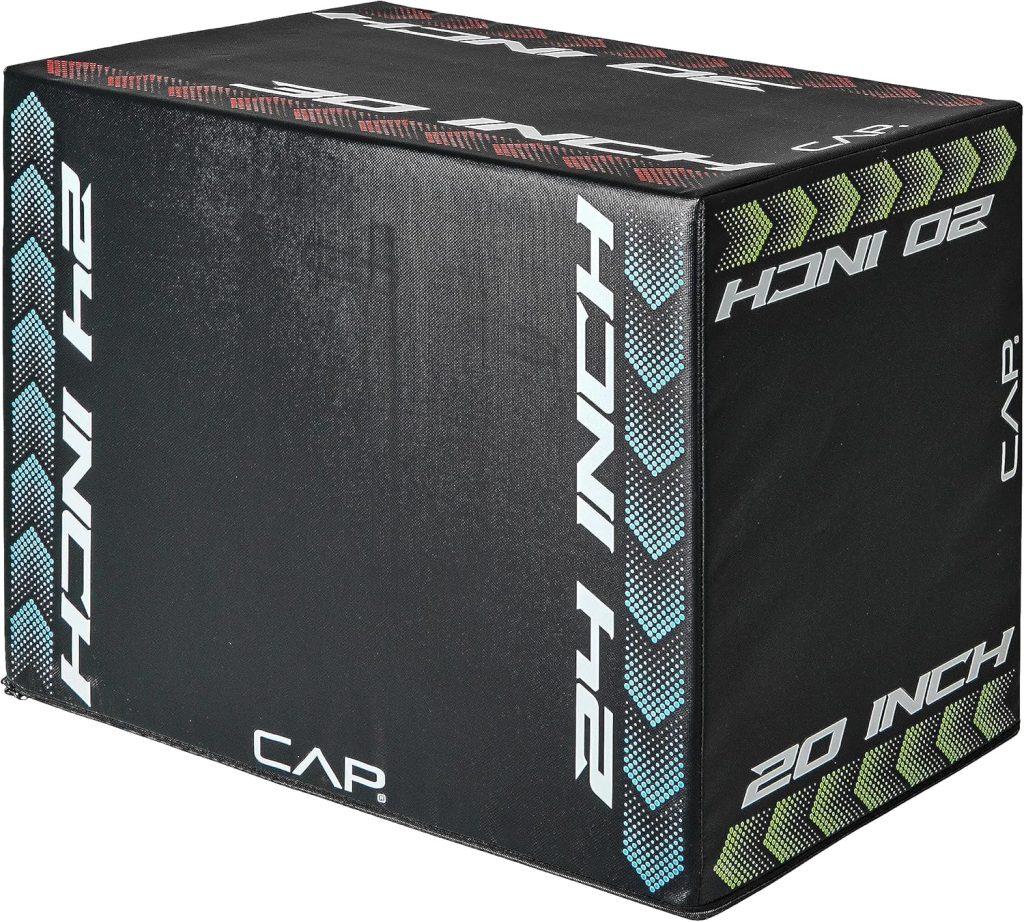
Recommend for:
- Beginner to intermediate users
- Home gym owners who want a solid balance of stability and price
- Those who may occasionally take heavier landings
Why:
- Traditional 3-in-1 design with durable build and non-slip surface.
- Suitable for step-ups, jumps, and a variety of plyo/HIIT drills.
- Often a recommended “best beginner” pick in product roundups.
Good fit if: You want a dependable all-purpose box that’s more firm/stable than basic foam but still versatile.
3) Best for Intermediate & All-Around Household Use
Yes4All 3-in-1 Wooden Plyo Box
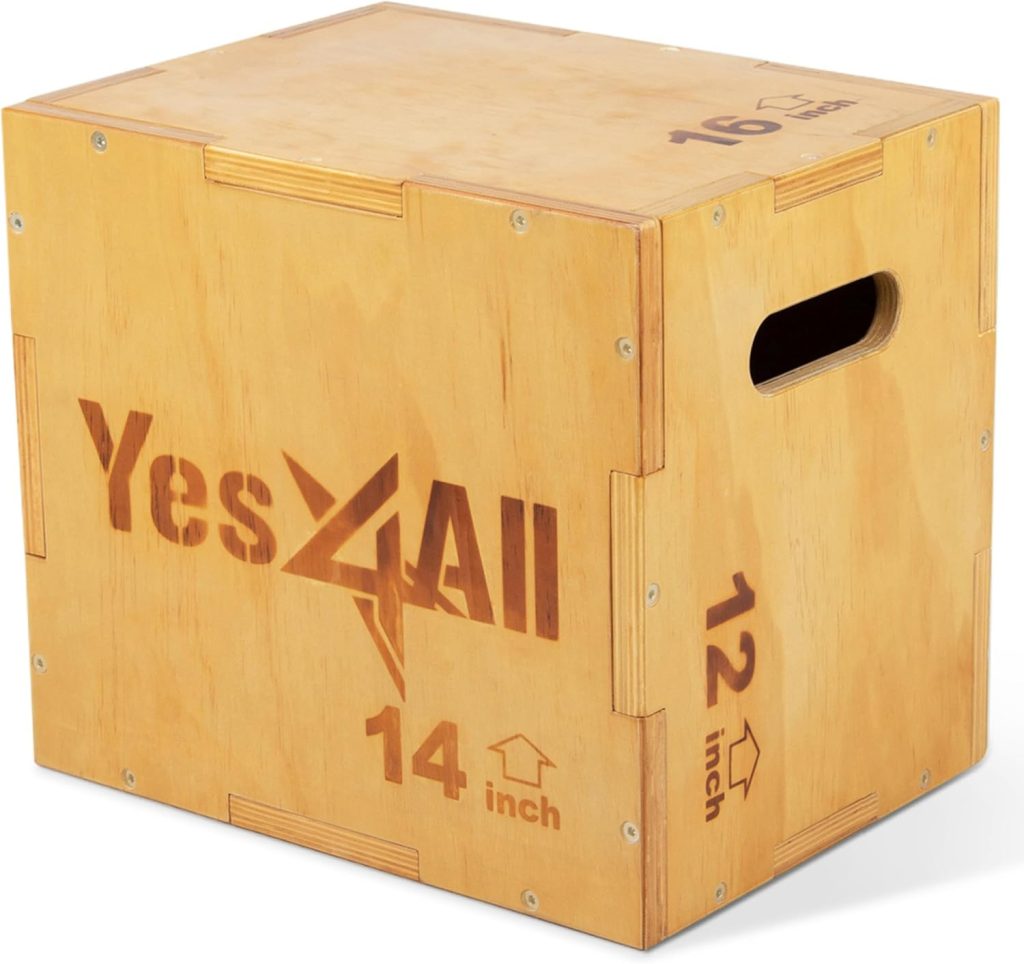
Recommend for:
- Users who want firm, stable landings
- Intermediate athletes working on strength plus plyometrics
- Those who are okay with slightly heavier equipment
Why:
- Solid wood construction offers stability and durability.
- Adjustable across three heights for progression or exercises like step-ups and dips.
- Good weight support for most users.
Good fit if: You want a box that feels rigid underfoot for confidence on higher jumps and general fitness use.
4) Best for Intermediate to Advanced Users, Heavier Athletes
CAELUM 3‑in‑1 Wood Plyometric Box (or similar solid wood plyo box)
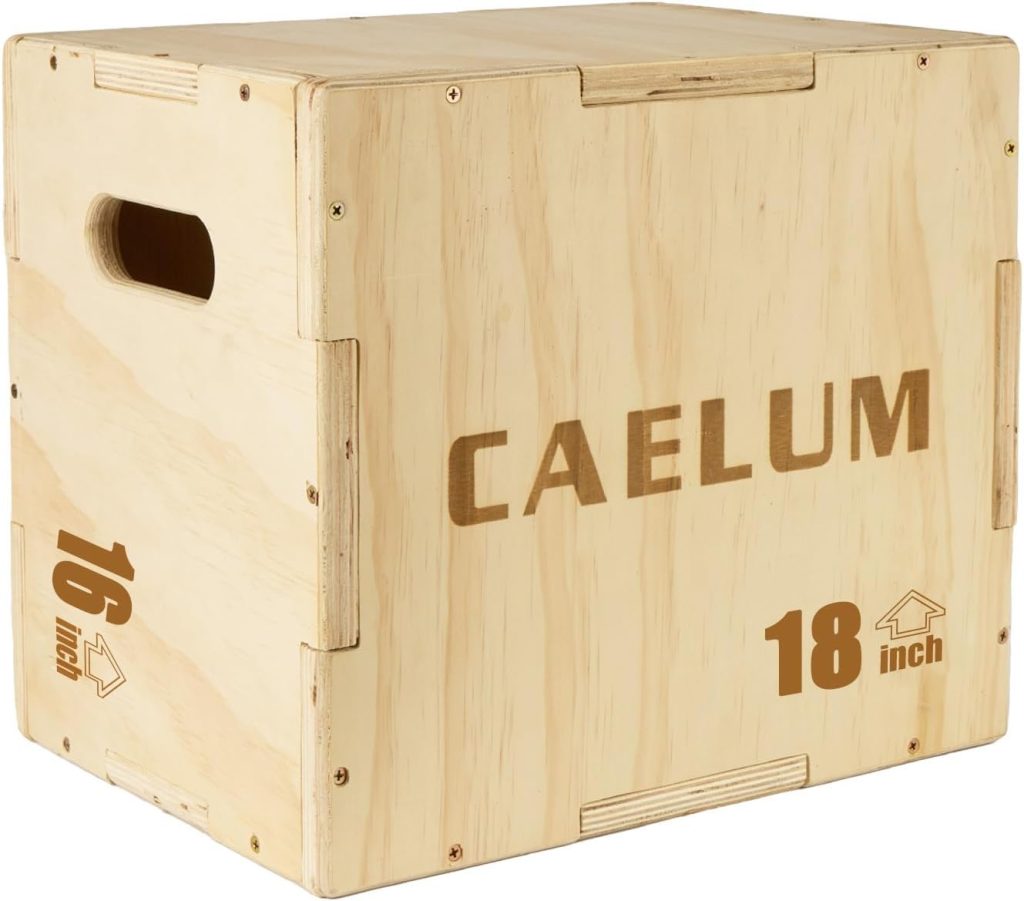
Recommend for:
- Advanced athletes or regular box jump practitioners
- Users who frequently do high jumps, heavy plyo drills, or strength-conditioning combos
- Individuals who don’t need a soft foam surface
Why:
- Sturdy plywood construction offers maximum stability and minimal giving on landings.
- Excellent for high-intensity plyometric routines and strength circuits.
Good fit if: You’re experienced with plyo training and want a serious tool for explosive power work.
Key Notes / Buying Considerations
- Foam vs. Wood: Foam boxes (BalanceFrom, CAP, Yes4All foam variants) are lighter and more forgiving on missed landings — ideal for HIIT where dynamic movement and safety matter, especially at home. Wood boxes (CAELUM and some Yes4All wood variants) are firmer and more stable for heavier athletes or very high jumps, but can be harsher on shins. This distinction is consistent with common fitness equipment guidance.
- Adjustability & Space: All listed boxes typically include multiple height options in a 3-in-1 design, meaning you flip the box to use different sides. This makes them versatile for HIIT circuits where you vary intensity and exercises.
- Weight Capacity: Pure foam boxes generally advertise “supportive” capacity for average users (~350 lbs or more); products with wood reinforcement (e.g., Yes4All wood core) often report higher rated capacities due to a stronger core.
- Surface Grip & Safety: Look for textured, non-slip surfaces especially on foam tops — useful during sweaty workouts. Foam cushioning also reduces impact on joints compared to bare wood.